Ratgeber
Marena Recovery: What Patients Feel in Week 1
Marena recovery compression garments support swelling control, comfort, and scar outcomes after surgery. Here’s what to expect and how to choose.
Dermamedix Redaktion · 03.03.2026 · aktualisiert 03.03.2026 · Lesezeit ca. 8 Min.

The first time you try to stand up after surgery, you learn quickly that “recovery” is not a vague concept. It is pressure, swelling, tenderness, pulling, and a body that suddenly wants stability more than anything. That is exactly where medical-grade compression earns its place - not as shapewear, but as postoperative support with a clear goal: helping your tissues heal predictably and comfortably.
Marena Recovery is one of the names patients hear most often when surgeons talk about compression garments after procedures like liposuction, tummy tuck, breast surgery, or combined transformations such as a mommy makeover. Below is what “marena recovery” typically means in real life: why compression matters, what changes week by week, and how to choose a garment that actually supports results instead of fighting your body.
What “Marena Recovery” actually is
Marena Recovery refers to a line of postoperative compression garments designed for use after surgical procedures. Think compression bras after breast surgery, abdominal binders and high-waist compression pants after liposuction, full bodysuits after body contouring, and specialty supports such as implant stabilization straps.These garments are engineered to deliver consistent, medically appropriate compression across the surgical area while staying wearable for long hours. That balance matters. Too little compression can leave swelling poorly controlled and make you feel unsupported. Too much compression, or compression in the wrong places, can increase discomfort, create pressure points, and complicate healing.
A premium postoperative garment is not defined by how tight it feels in the dressing room. It is defined by how reliably it holds compression over time, how it accommodates dressings and changing swelling, and how well it supports daily movement without cutting, rolling, or shifting.
Why surgeons prescribe compression after surgery
Postoperative compression is used because it addresses the most common early recovery challenges - swelling, fluid shift, discomfort, and tissue instability.Swelling control and a “held-together” feeling
After procedures like liposuction or abdominoplasty, swelling is not just cosmetic. It can feel heavy and reactive, especially when you move. Compression helps limit swelling by providing gentle external support that can reduce the space where fluid accumulates. Many patients describe it as the first thing that makes their body feel “contained” again.Support for healing tissue and surgical contours
After contouring procedures, tissues are settling into new positions. Compression can help encourage smooth adherence and reduce unwanted movement in the healing phase. This is one reason surgeons are specific about garment style and coverage. A bodysuit and a waistband are not interchangeable if the surgical field differs.Comfort that is practical, not performative
The best garment is the one you can wear consistently. A postoperative plan often asks for extended wear, sometimes day and night. That only works if the garment is breathable, manageable in the bathroom, and compatible with tenderness, limited range of motion, and incisions.What to expect: the first weeks with Marena Recovery compression
Every procedure and every body is different. Still, there are patterns patients recognize, and understanding them can reduce anxiety and improve compliance.Week 1: swelling peaks and simplicity wins
In the first week, swelling often increases before it improves. Your garment should feel supportive but not punishing. If you are constantly thinking about your garment because of pain, pinching, numbness, or tingling, that is not “normal tightness.” It may be wrong sizing, wrong style, or incorrect placement.This is also the week where closures matter. Front closures or step-in designs can make a big difference when bending and twisting are hard. For breast procedures, a compression bra that stabilizes without compressing the wrong area is key. For body procedures, coverage should match where swelling and tenderness actually sit.
Weeks 2-4: swelling shifts, fit changes, and details start to matter
As swelling redistributes, you may notice the garment feels looser in some areas and tighter in others. This is not always a sign you need a different size immediately. It can be the body’s normal progression.What matters is whether compression remains even and comfortable. Rolling at the waistband, digging at the groin, or gapping around the abdomen can create uneven pressure and irritation. This is where premium construction shows its value: wide, stable waistbands; smooth seams; and consistent compression panels that do not collapse after repeated wear.
Weeks 4-8 and beyond: long wear, long-term outcomes
As your surgeon reduces restrictions, you may still be wearing compression for a meaningful part of the day. At this stage, comfort is the difference between following the plan and quietly quitting early.If scars are present, this is also when many patients add scar care as a second track. Compression supports contour and swelling control. Scar therapy focuses on surface healing and scar quality. They are not competitors - they are complementary.
Choosing the right Marena Recovery garment depends on your procedure
The most common mistake is shopping by body part alone. “I had lipo” is not enough detail. Lipo where, with what additional procedures, and with what incision placement? A garment should match the surgical map.Breast surgery: compression bras and implant stabilization
After augmentation, reduction, or reconstruction, surgeons often prescribe a specific compression bra style and sometimes an implant stabilization strap. The goal is support without excessive pressure on incisions or sensitive areas.Fit should feel secure under the bust band without riding up. Straps should not dig into the shoulders, especially because posture can be guarded in early recovery. If an implant strap is prescribed, it is typically used to guide positioning. This is a “follow your surgeon exactly” category. The wrong tension or timing can work against the desired result.
Liposuction: coverage is everything
Lipo is frequently underestimated because the incisions are small. The internal healing is not. Compression pants, high-waist shorts, or bodysuits are chosen based on the treated zones: abdomen, flanks, hips, thighs, arms, or back.A good rule is that compression should extend beyond the treated area to avoid a sharp edge that can create a visible line. Closures should be practical for frequent bathroom use, and the fabric should be breathable enough for long wear.
Abdominoplasty and mommy makeover: stability and midsection control
Tummy tuck recovery often benefits from garments that stabilize the abdomen and support posture while swelling is active. If you had muscle repair, the “supported” sensation can be particularly important.Here, waistband stability and torso length matter. Too short and it rolls. Too long and it can bunch under the bust. Many patients find that a garment that integrates torso support, rather than a single band that shifts, improves daily comfort.
C-section: gentle support with incision awareness
For C-section recovery, compression can help some patients feel more supported when standing and walking. But incision sensitivity and scar management require a careful approach. Compression should not aggressively rub the incision line. It should feel protective, not abrasive.Fit is a medical variable, not a preference
Patients often ask, “Should it be uncomfortably tight?” No. It should be firmly supportive.If your toes or fingers tingle, if you see deep ridges that persist, if you feel sharp pressure at the incision, or if breathing feels restricted, those are signs to reassess sizing or style and contact your care team. Compression should never create numbness, burning pain, or compromised circulation.
Also, your size immediately after surgery is not your size two weeks later. Swelling changes. That is why many surgeons plan for more than one stage or adjust guidance as your body evolves.
Wearing it correctly is half the outcome
Even the best garment cannot do its job if it is worn incorrectly. The goal is smooth, even compression with minimal folding.Take time to position the garment gradually. Avoid yanking it into place, which can twist seams and concentrate pressure. If you are using foams or pads as directed by your surgeon, they must sit flat. Wrinkles create ridges, and ridges can become sore spots.
Laundry also matters. Medical compression fabric is engineered. Heat and harsh drying can reduce elasticity. Following care instructions is not about being precious - it is about keeping compression consistent from day 3 to day 30.
Compression plus scar care: the premium recovery approach
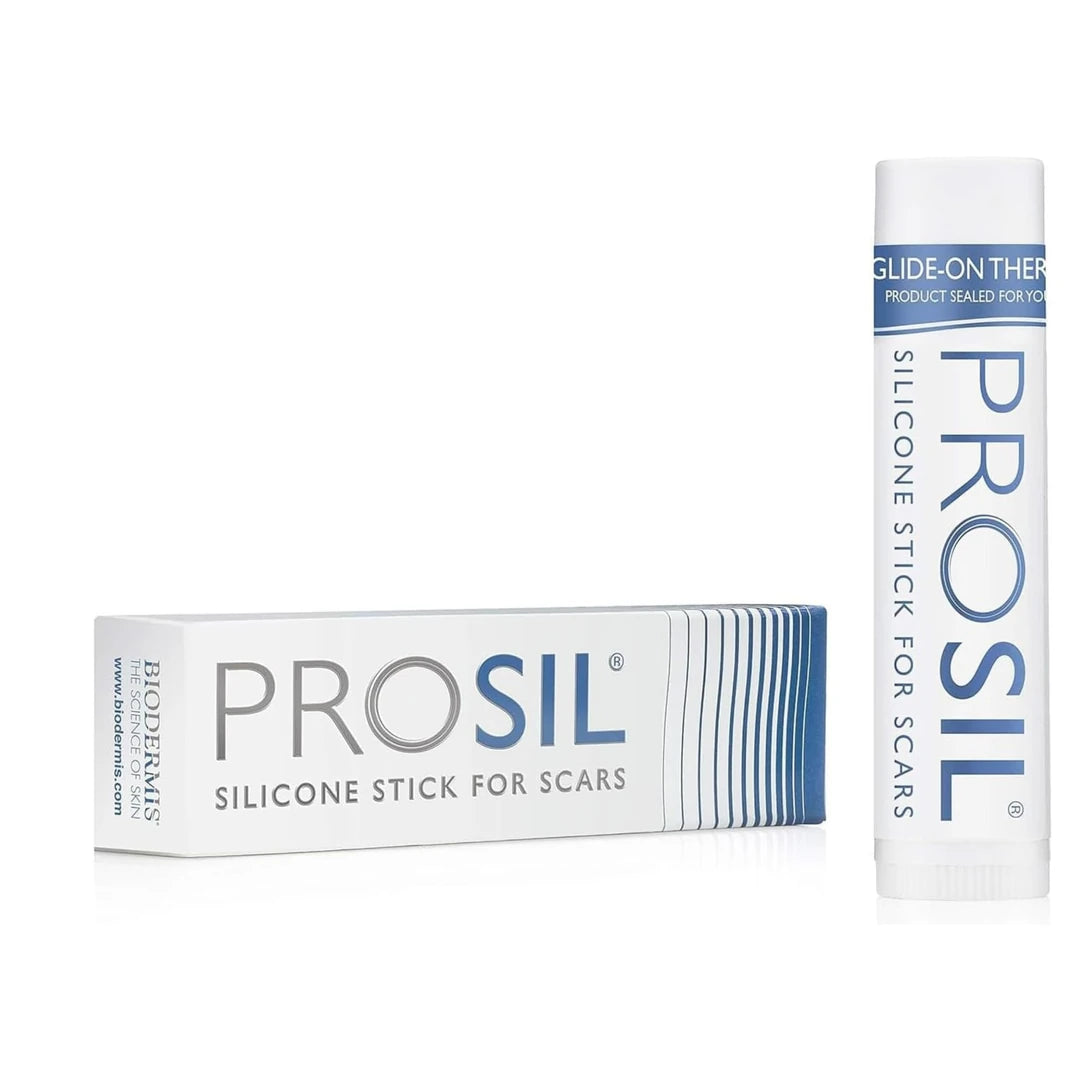
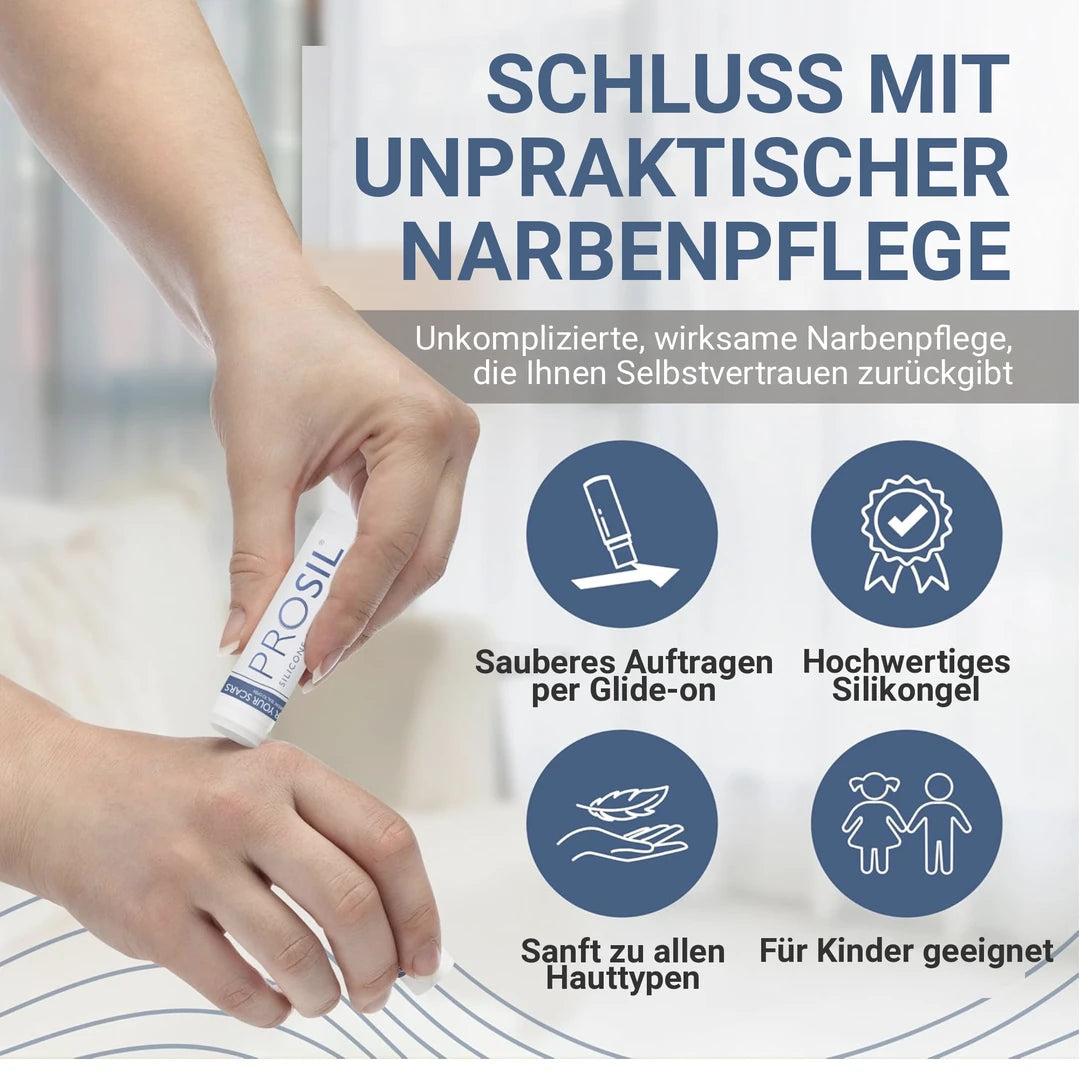
Compression addresses swelling and support. Scar care addresses how the scar matures over months. If your procedure involves incisions, silicone-based scar therapy is commonly used because it helps maintain an optimal hydration environment at the scar surface, which can improve scar appearance and comfort for many patients.Timing depends on incision status. Scar therapy typically begins only after the wound is closed and your surgeon approves. For some patients, combining well-fitted compression with a consistent, surgeon-approved scar routine is where the biggest visible difference shows up over time.
When “it depends” is the honest answer
There are situations where standard guidance needs tailoring.If you have very sensitive skin, a history of irritation, or you are recovering from multiple procedures at once, you may need a different closure type, fabric feel, or compression profile than someone with a single-area surgery. If you have lymphedema risk, complex swelling patterns, or complications such as persistent fluid buildup, your surgeon may modify compression strategy significantly.
Also, not every discomfort is solved by tighter compression. Sometimes discomfort improves with better distribution, smoother construction, or a garment that matches your torso length and mobility limits.
Getting the right garment without guesswork
Postoperative recovery is not the time for trial-and-error shopping. You want the garment that matches your surgeon’s plan, your measurements, and your procedure details.If you want a curated selection with clinical guidance, Biodermis-Shop supports patients with Marena Recovery compression options and scar care, with an emphasis on correct indication and fit - because recovery outcomes are built on consistency, not improvisation.
Your body is doing demanding work while you heal. Choose support that feels like a medical ally: stable, comfortable, and designed for the reality of recovery, not the fantasy of quick results.
Dieser Beitrag dient der allgemeinen Information und ersetzt keine ärztliche Beratung. Wie lange und wie Sie Kompression oder Narbenpflege anwenden, legt Ihr Behandlungsteam fest.